About
The head of the year
Rosh Hashanah (Hebrew רֹאשׁ הַשָּׁנָה, “head of the year”) is the Jewish New Year, observed for two days, the 1st and 2nd of Tishrei, in early autumn. Unlike a secular celebration, it is a day of inner renewal, gratitude and hope.
By tradition, on Rosh Hashanah God judges the world and inscribes each person's fate for the coming year in the Book of Life. So it is both a joyful and an awe-filled day — the start of the Ten Days of Repentance that end on Yom Kippur.
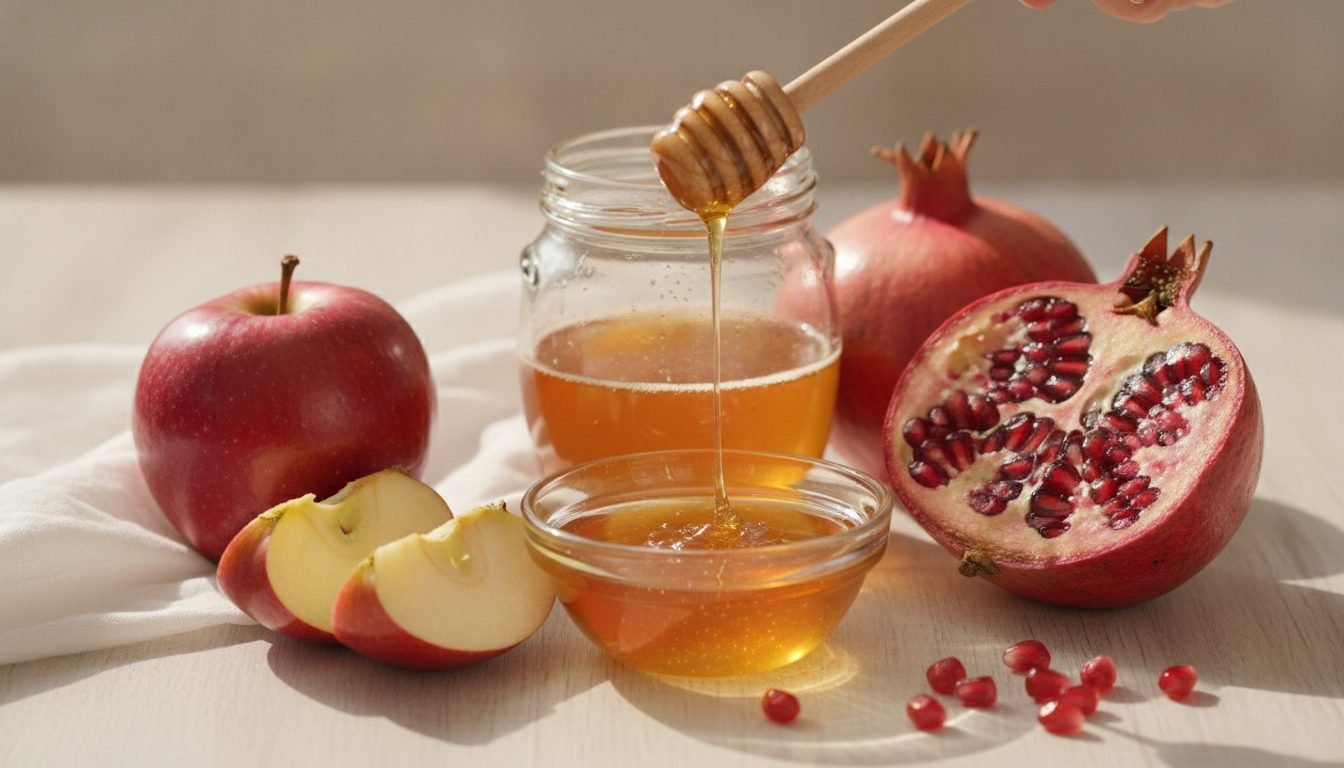
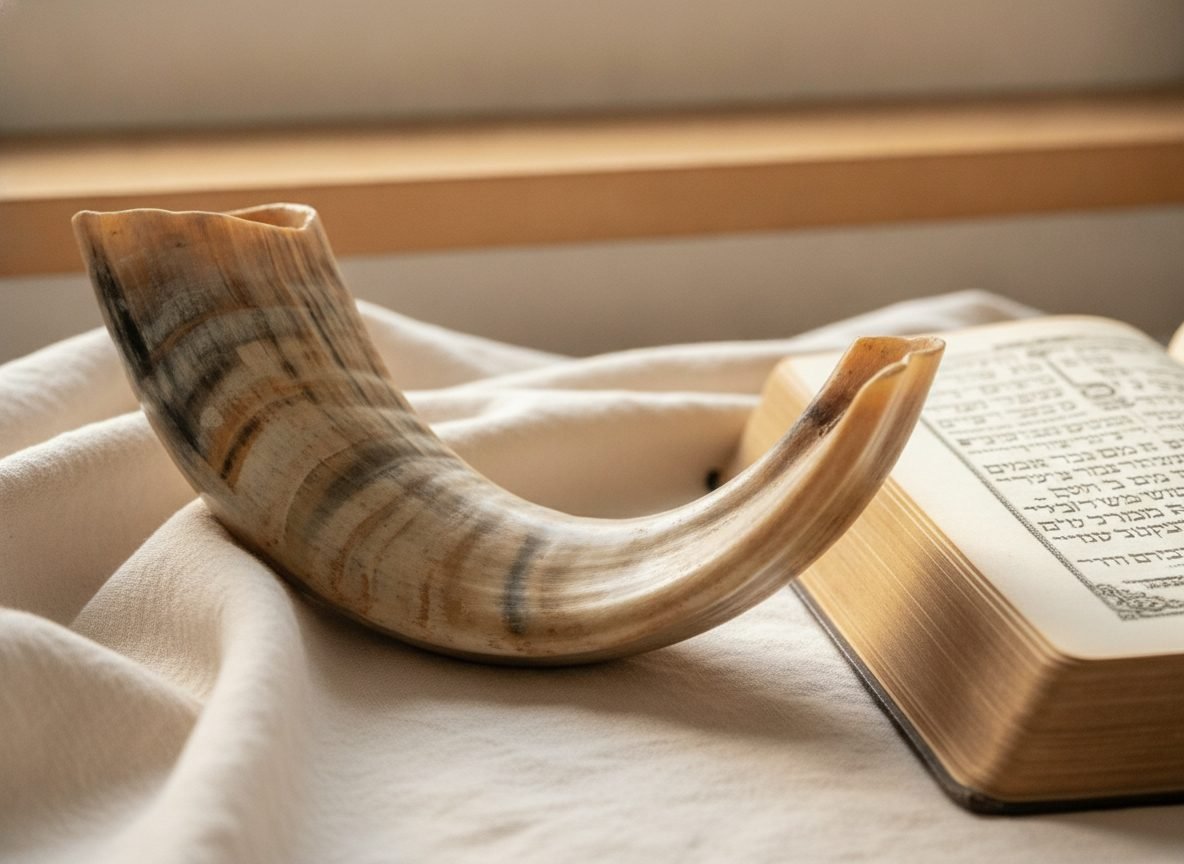
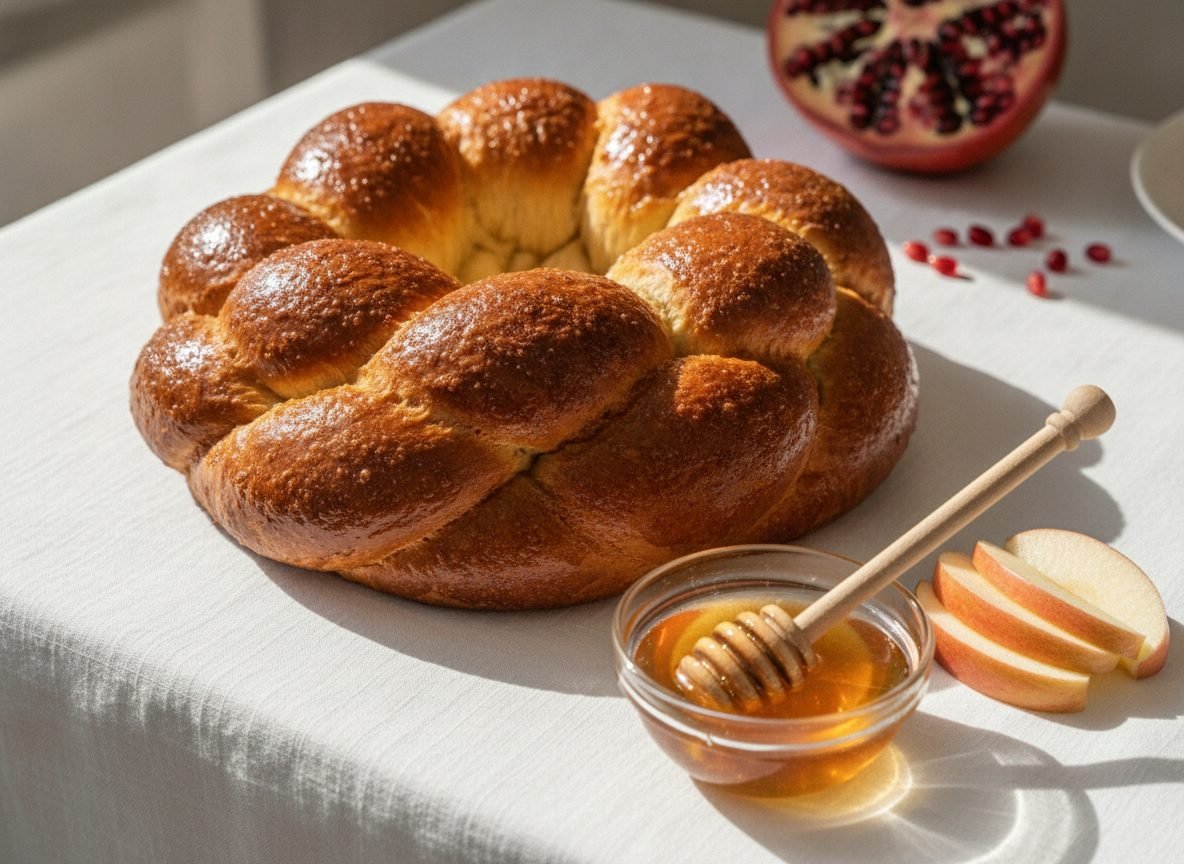
The holiday's central symbol is the shofar, a ram's horn whose voice calls us to awaken and return to good. And the table is all sweetness: apples and honey, pomegranate, round challah — a wish for a bright year.
In Azerbaijan
Rosh Hashanah in Azerbaijan
Azerbaijan is home to one of the world's oldest Jewish communities and a long tradition of interfaith tolerance. Rosh Hashanah is welcomed here in the synagogues of Baku and Quba: the shofar sounds and families gather around a festive table of apples and honey.
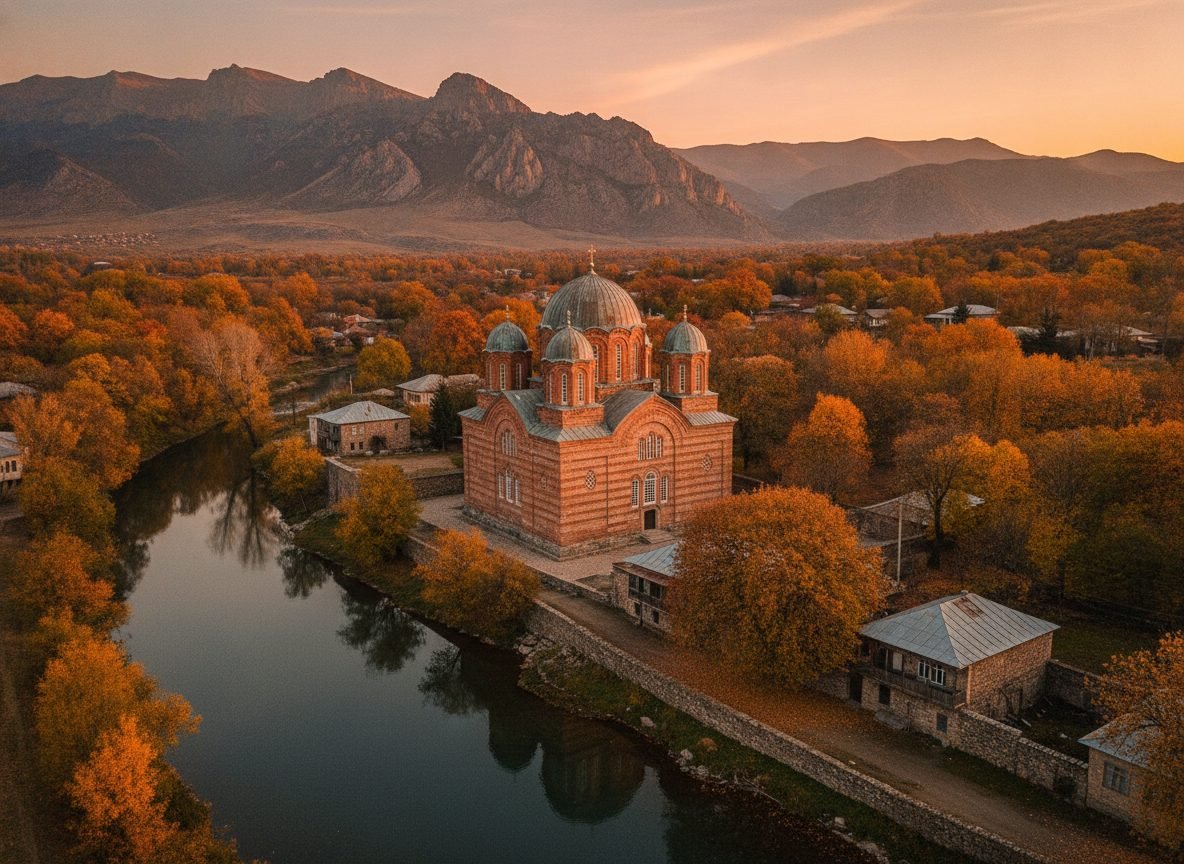
A special place belongs to Krasnaya Sloboda (Qırmızı Qəsəbə) near Quba — one of the few places in the world where Mountain Jews live compactly. There the New Year is met with prayer, ancient Juhuri melodies and the Tashlich ritual by the water.
Sections
Explore further
Three sides of the holiday — its inner meaning, its customs and the sweet festive table.

When
Dates and symbols
Rosh Hashanah begins on 1 Tishrei and lasts two days. In the Gregorian calendar the date shifts each year — usually September. In autumn 2026 the year 5787 begins.