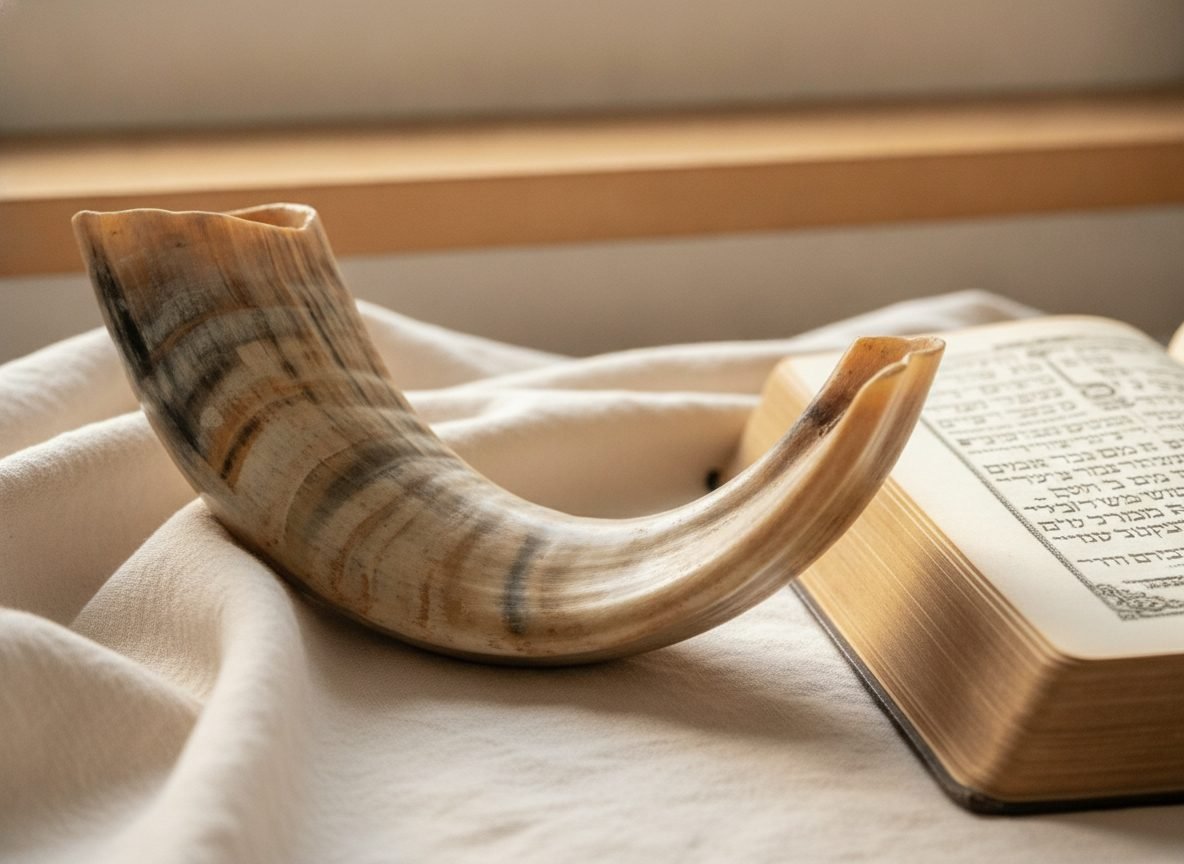
The Day of Judgment
The Book of Life and the ten days of awe
Rosh Hashanah opens the Yamim Noraim — the Days of Awe, a time to take stock and ask the Almighty for a good year.
By tradition, on this day the Creator judges all living things and writes each one's fate for the year ahead in the Book of Life. But the verdict is not final: until Yom Kippur there is time for teshuva — repentance and a return to good.
Three things, the sages say, soften the severity of the verdict: teshuva (repentance), tefillah (prayer) and tzedakah (charity). So the New Year is not feasting for its own sake, but a chance to begin again.
1 Tishrei
Rosh Hashanah — the Day of Judgment. The shofar is sounded; prayers ask for a good year and to be inscribed in the Book of Life.
2 Tishrei
The second day of the festival; the Tashlich ritual — symbolically casting away sins at flowing water.
3–9 Tishrei
The Ten Days of Repentance (Yamim Noraim): a time for teshuva, good deeds and reconciliation.
10 Tishrei
Yom Kippur — the Day of Atonement, when the verdict is sealed. The climax of the Days of Awe.
On Rosh Hashanah it is written, and on Yom Kippur it is sealed — may we all be inscribed for a good life.